
As the world becomes increasingly digital, more and more entrepreneurs are turning to e-commerce as a way to reach customers and grow their businesses. Building an online store can seem like a daunting task, but with a step-by-step guide, anyone can create an effective e-commerce platform. In this blog post, we will take you through each step of building an online store, from choosing a domain name to launching your website. Whether you're starting from scratch or looking to improve your existing online store, this guide will provide you with the tools and knowledge you need to succeed in the e-commerce world. We will cover everything from selecting a platform and designing your website to adding products and optimizing for search engines. You?ll also learn about setting up payment methods, shipping options, and other key features to enhance your online store's functionality. By the end of this guide, you will have the skills and confidence to launch your own online store and start building a successful e-commerce business. So grab a cup of coffee, sit back, and let?s get started.
1. Register a domain name

When building an online store, the first and perhaps most important step is to register a domain name. A domain name is an address that customers will use to access your website, so it's essential to choose a name that is not only easy to remember but also relevant to your business. You can register a domain through a domain registrar or through your e-commerce platform provider. When choosing your domain name, consider your brand and how you want to be perceived online. Once you have your domain name, you will be able to start designing your website through your chosen e-commerce platform. From there, you can create product listings, set up payment processing, and begin online marketing efforts to drive traffic to your site. Having a strong domain name is the foundation for building a successful online store, so take the time to choose the right one for your business.
2. Select a web hosting provider

When it comes to building an online store, selecting a reliable web hosting provider is a crucial step. Your choice of web hosting provider can impact the overall performance, security, and reliability of your e-commerce platform. Before settling on a web hosting provider, it is important to consider aspects such as loading speed, uptime, security measures, customer support, and pricing. Various hosting options are available, including shared hosting, dedicated server hosting, and cloud hosting. Your choice will depend on the size of your website, website design, product listing, payment processing, and online marketing strategies. A good web hosting provider will offer various features such as SSL certification, daily backups, staging sites for testing updates, and easy integration with popular e-commerce platforms such as Shopify, Magento, and WooCommerce. It is recommended to research and compare different hosting providers before selecting the one that best suits your needs.
3. Choose an e-commerce platform
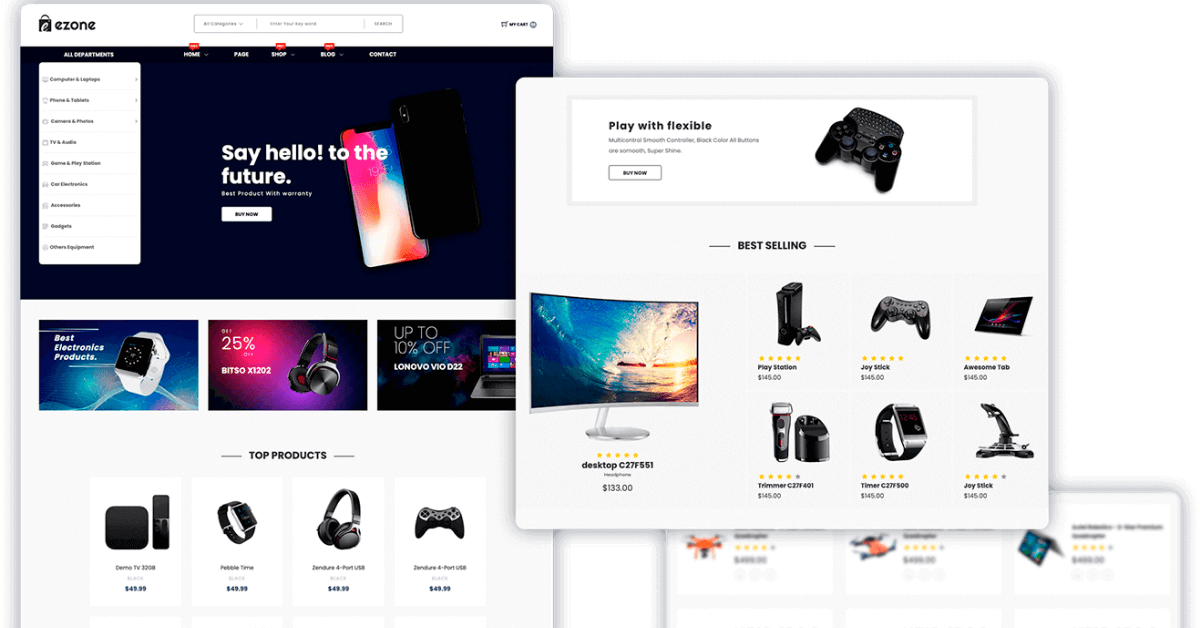
Choosing the right e-commerce platform is a crucial step when building an online store. It will determine the functionality of your website, the ease of product listing, payment processing, and your ability to market your products. There are many e-commerce platforms available in the market, each with its own unique features, advantages, and disadvantages. Before selecting an e-commerce platform, it is important to consider the needs of your business, the products you are selling, and the budget you have allocated. It is vital that the platform you choose provides a user-friendly interface and personalized website design options. Ensure that the platform you choose has an excellent payment processing system and is secure for your customers. Finally, consider the platform's marketing tools to help you drive traffic and promote your products effectively. Taking the time to carefully evaluate your options and selecting the right e-commerce platform will help you build a profitable and successful online store.
4. Set up a payment gateway
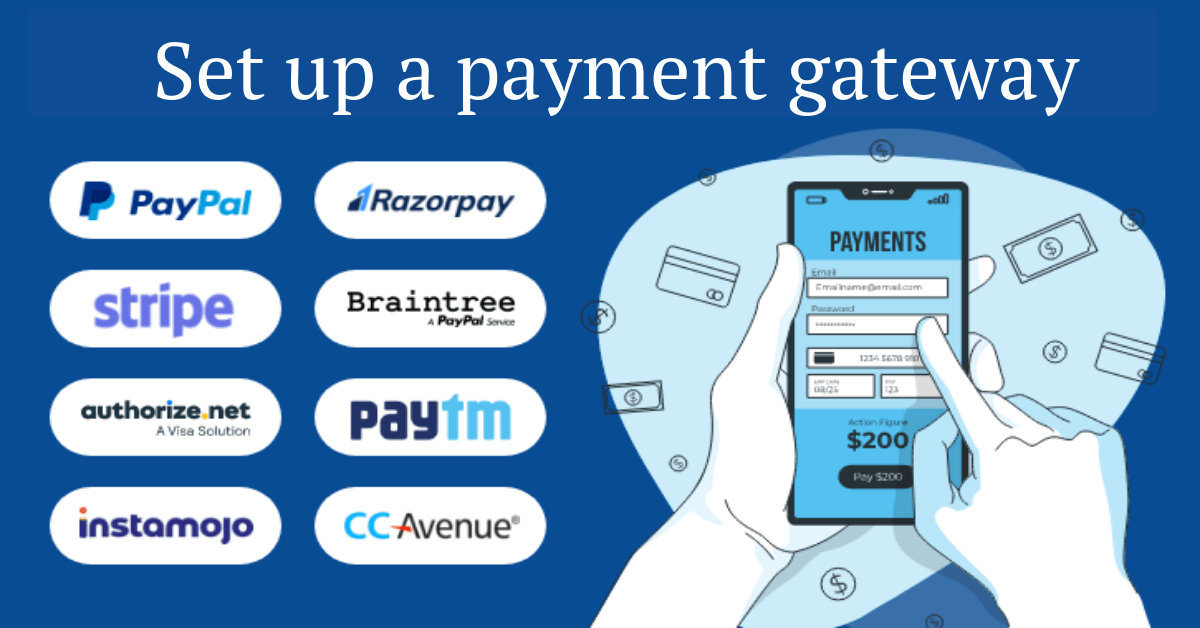
In order to start accepting payments from your customers, you need to set up a payment gateway. A payment gateway is an online service that processes credit card payments for your e-commerce platform. There are several payment gateway options available such as PayPal, Stripe, and Braintree, but it is important to choose a payment gateway that meets your needs and your customers' needs. You also need to ensure that your website design accommodates the payment gateway, allowing for a smooth and seamless Super Checkout process. Proper payment processing is a critical component of any online store, as it ensures customers have a sense of trust and security when making a purchase. In addition, building a user-friendly payment gateway can help you drive online sales and boost your online marketing efforts, allowing for increased revenue and customer satisfaction. Make sure payment processing is one of the key considerations when building your online store, along with product listing and other essential components.
5. Design a website layout

Designing a website layout is an essential step when creating an online store. In order to create a visually appealing e-commerce platform, you will need to consider aspects such as an intuitive user interface, easy navigation, and clear product listing. A well-designed website will not only attract customers but also encourage them to complete the purchase process. When designing your website, consider your target audience and create a design that fits their preferences. Additionally, it is important to ensure that the website is optimized for mobile devices since a significant number of customers make purchases through their mobile gadgets. Once the website design is complete, it is necessary to integrate a payment processing system that integrates with your online store. Finally, promoting your online store through online marketing campaigns will help to increase traffic to your site, thus increasing sales.
6. Add products to your store

Once you have set up your e-commerce platform and designed your website, it's time to start adding products to your online store. This step may seem daunting, but it doesn't have to be. The key is to make sure you have a product listing structure in place that is visually appealing and easy to navigate for your customers. Make sure to take good-quality photos of each product and provide detailed descriptions. You also need to decide on a payment processing system that is secure and convenient for your customers. You can either set up a merchant account through your bank or use a third-party processor, such as PayPal or Stripe. Finally, don't forget to focus on online marketing to drive traffic to your store. Promote your products through social media, email campaigns, and search engine optimization (SEO) tactics to increase visibility and sales. By following these steps, you'll be on your way to building a successful online store.
7. Promote your online store

Once your online store is up and running, it's time to promote it so customers can easily find you. Here are 7 effective ways to promote your online store:
1. Leverage social media to reach out to your target audience and engage with them regularly.
2. Use paid advertising on social media platforms or Google AdWords to drive traffic to your website.
3. Optimize your website design to ensure it is user-friendly, visually appealing, and responsive on all devices.
4. Optimize product listings with detailed descriptions, high-quality photos, and customer reviews to help customers make informed purchase decisions.
5. Ensure your payment processing system is secure, efficient, and reliable to build trust with customers.
6. Implement email marketing campaigns to stay top-of-mind with your customers and promote special offers or discounts.
7. Utilize other online marketing techniques like influencer marketing, affiliate marketing, and retargeting ads to expand your reach beyond your existing customer base.
By leveraging these strategies, you can effectively promote your online store and drive traffic to your website, ultimately leading to increased sales and revenue. Don't forget to continuously monitor and measure the effectiveness of your marketing efforts to optimize your approach for the best results.
8. Monitor your store performance

After setting up your online store with an E-commerce platform, website design, product listing, payment processing, and online marketing, it's important to monitor your store's performance to know how it's doing. This means keeping track of your website traffic, conversion rates, and revenue. By regularly analyzing your store performance, you'll be able to identify which products are selling well, and which are not, and what marketing techniques generate the most traffic to your online store. This information can be used to improve your product display, marketing strategy, and overall website performance. You can use tools like Google Analytics or your E-commerce platform's built-in analytics to track store performance. Regularly monitoring and analyzing your store's performance is essential for the long-term success of your online store.
To sum up, creating an online store requires specific steps, but it is not rocket science. By following the above-mentioned steps, you can build an e-commerce website that is reliable, user-friendly, and visually appealing. Ultimately, a successful online store can open new markets and reach new customer segments, providing you with new business opportunities. With the right tools and a solid plan, you can turn your idea into a successful online business. Do you have any questions about starting an online business? What challenges have you faced, and how did you overcome them? Leave a comment below and let's start a discussion!